Is Australia Safe? Sydney and Cairns Travel Safety Guide
Sydney and Cairns felt comfortable during our family trip, but we still protected our belongings, chose well-lit routes after dark and treated beach and wildlife warnings seriously.
How safe did Australia feel on our trip?
We travelled through Sydney and Cairns with our parents in April 2026. We did not experience crime or a situation that made us feel in immediate danger. Central streets, public transport and major attractions were straightforward to use during the day.
That experience is not a guarantee. Our practical baseline was to keep bags attached to us, avoid quiet shortcuts at night and move away from anyone behaving aggressively or unpredictably.
- Keep your phone, wallet and passport out of easy reach at stations, markets and cafés.
- Use busy, well-lit streets after dark and switch to a taxi or rideshare if a route feels isolated.
- Do not leave valuables visible in a parked car or unattended beside a pool.
- At beaches, rivers and rainforest sites, follow warning signs before entering the water or approaching wildlife.
Theft, nightlife and payment scams
Pickpocketing and unattended bags
Opportunistic theft is easiest when a traveller is distracted. At transport hubs and waterfront viewpoints, we kept bags closed and in front of us while taking photographs.
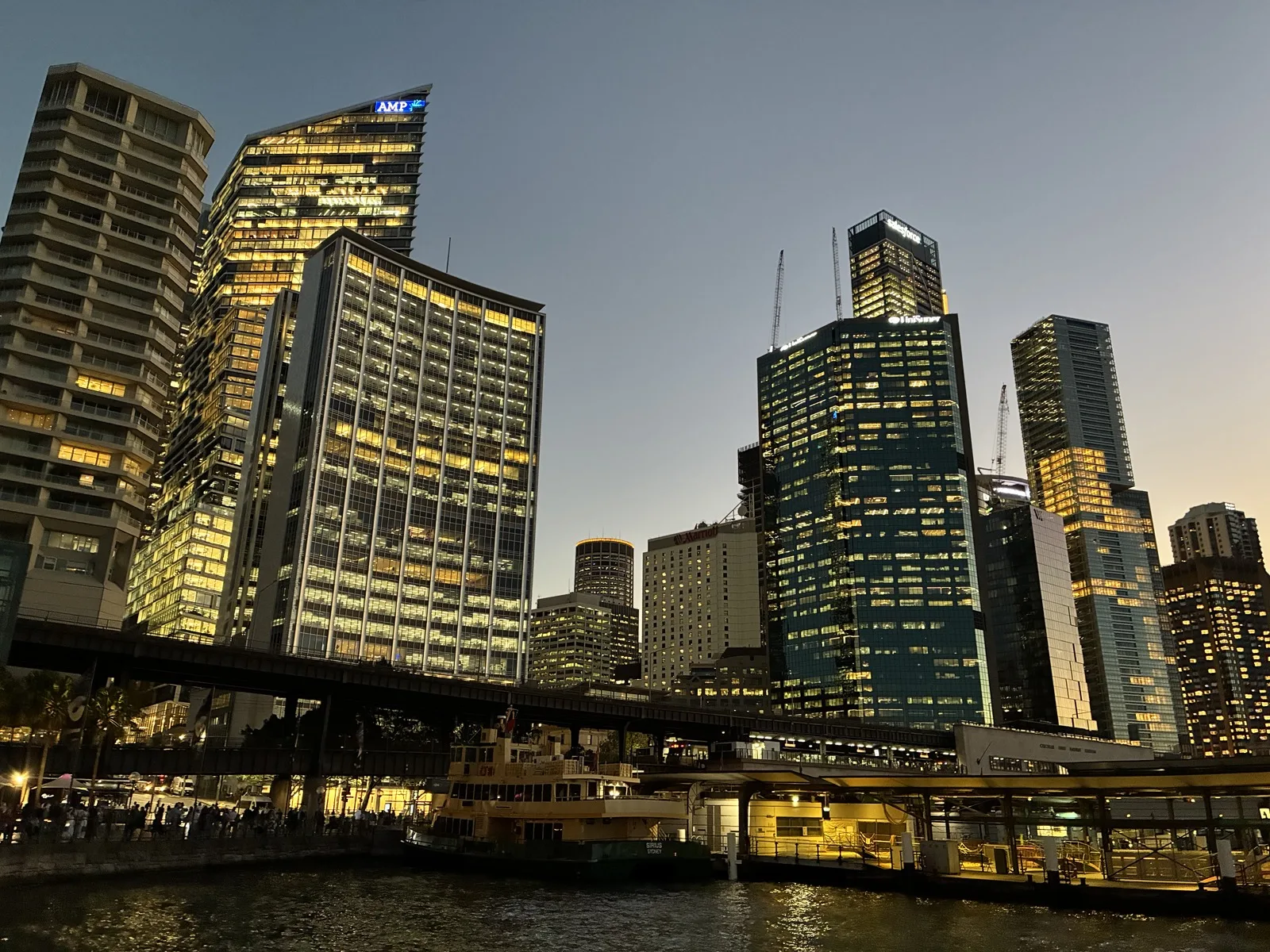
Circular Quay was busy into the evening, which made it feel active but also created moments when people stopped suddenly for photographs. We never placed a phone or wallet on a bench while rearranging bags.
Late-night drinking and drink spiking
Keep your drink with you, do not accept an open drink from a stranger and leave with someone you trust. If a bar or station entrance feels tense, use the busier side of the street rather than walking through a group.
Cards, ATMs and messages
Use bank notifications, cover the keypad at an ATM and check the amount before tapping a card. Do not follow payment or delivery links in unexpected texts; open the company's own app or website instead.
Sydney safety after dark
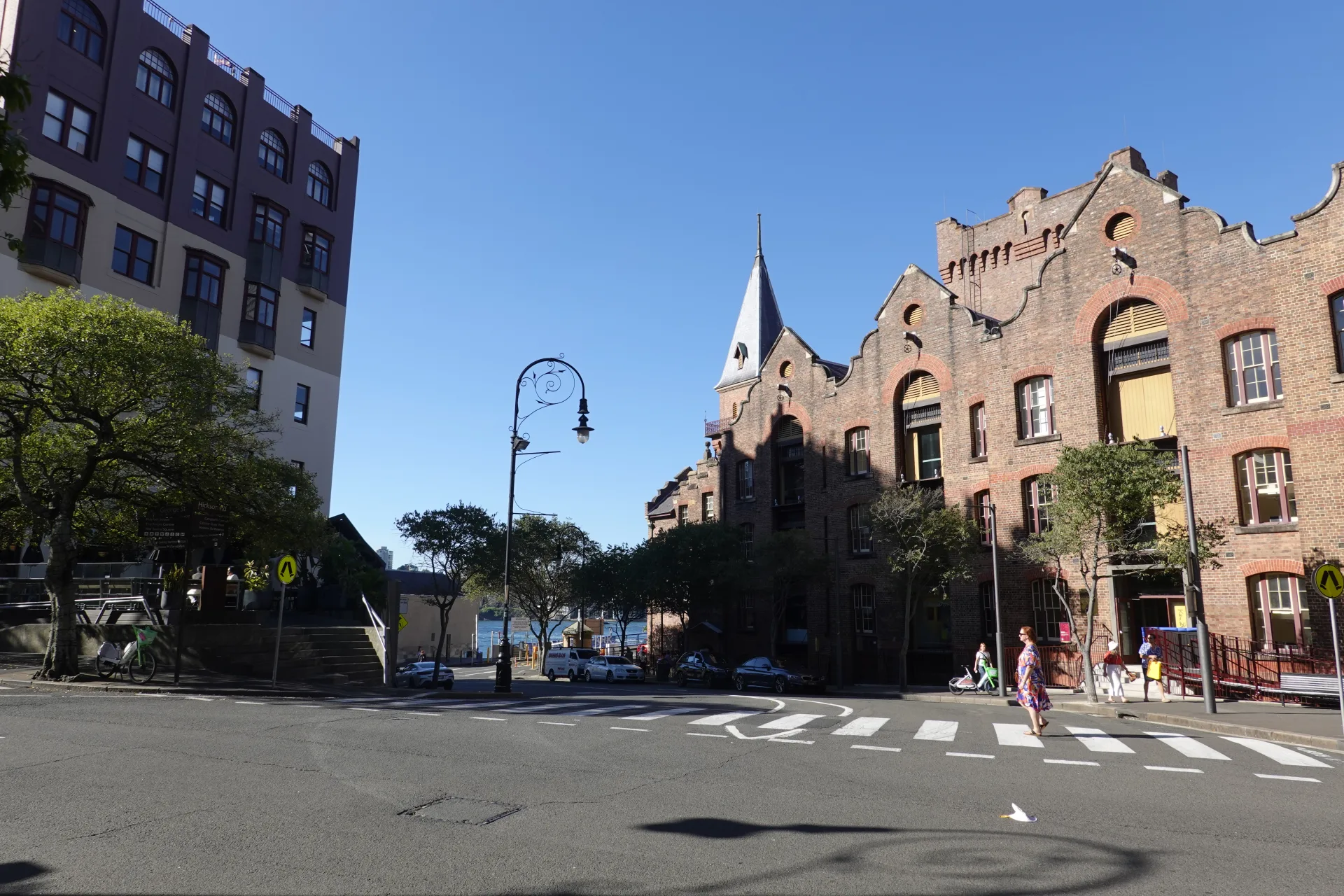
The Opera House, Circular Quay and central shopping streets had plenty of people around when we visited. In crowded areas, the main risk we planned for was losing sight of a bag while taking photos or checking directions.
- Walk the narrow lanes in The Rocks during the day, then return to main streets at night.
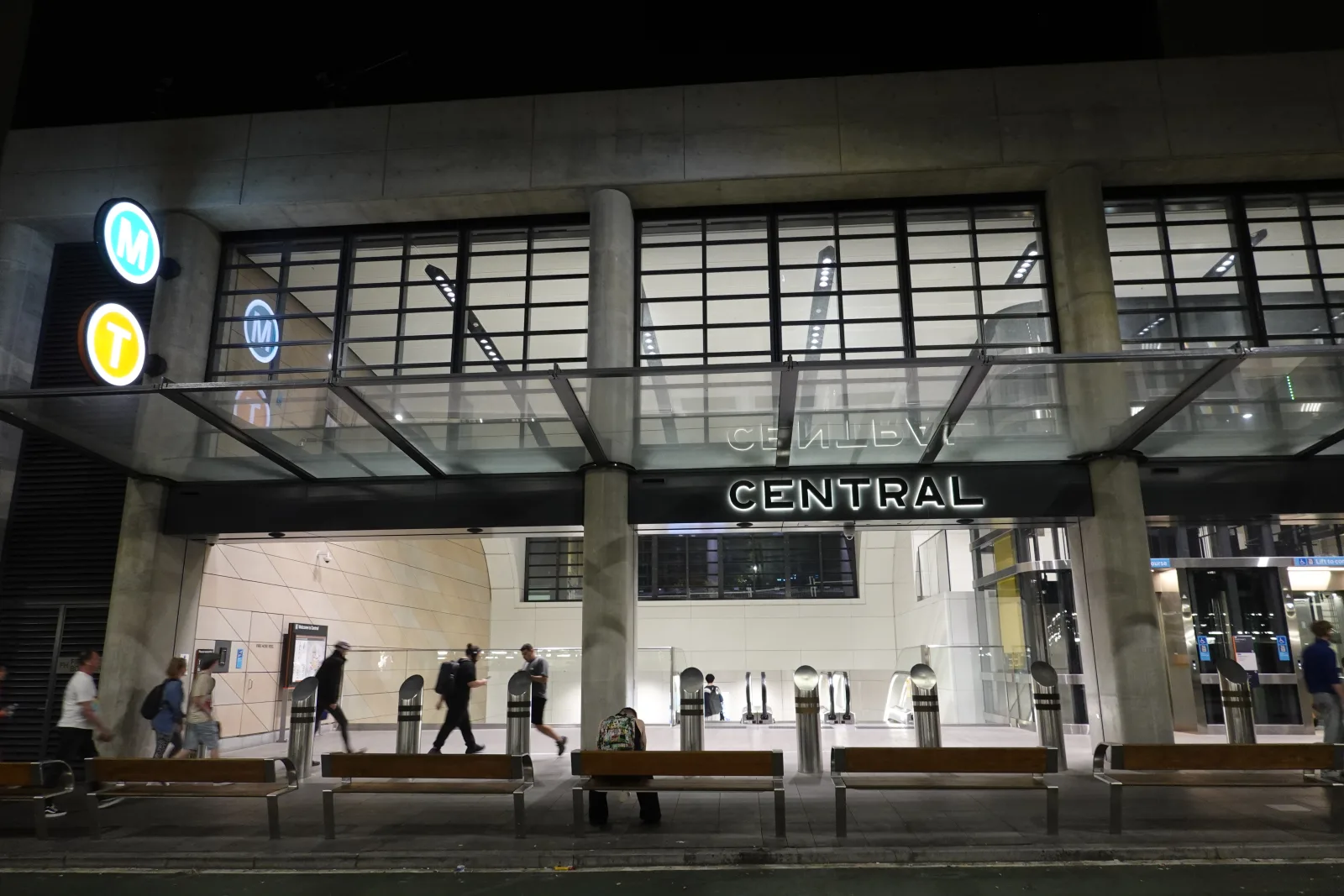
- Use station entrances with lighting and other passengers when travelling late.
- Check the route to your accommodation before leaving a restaurant or attraction.
- If you become unsure of the route, order a licensed taxi or rideshare from a busy place.
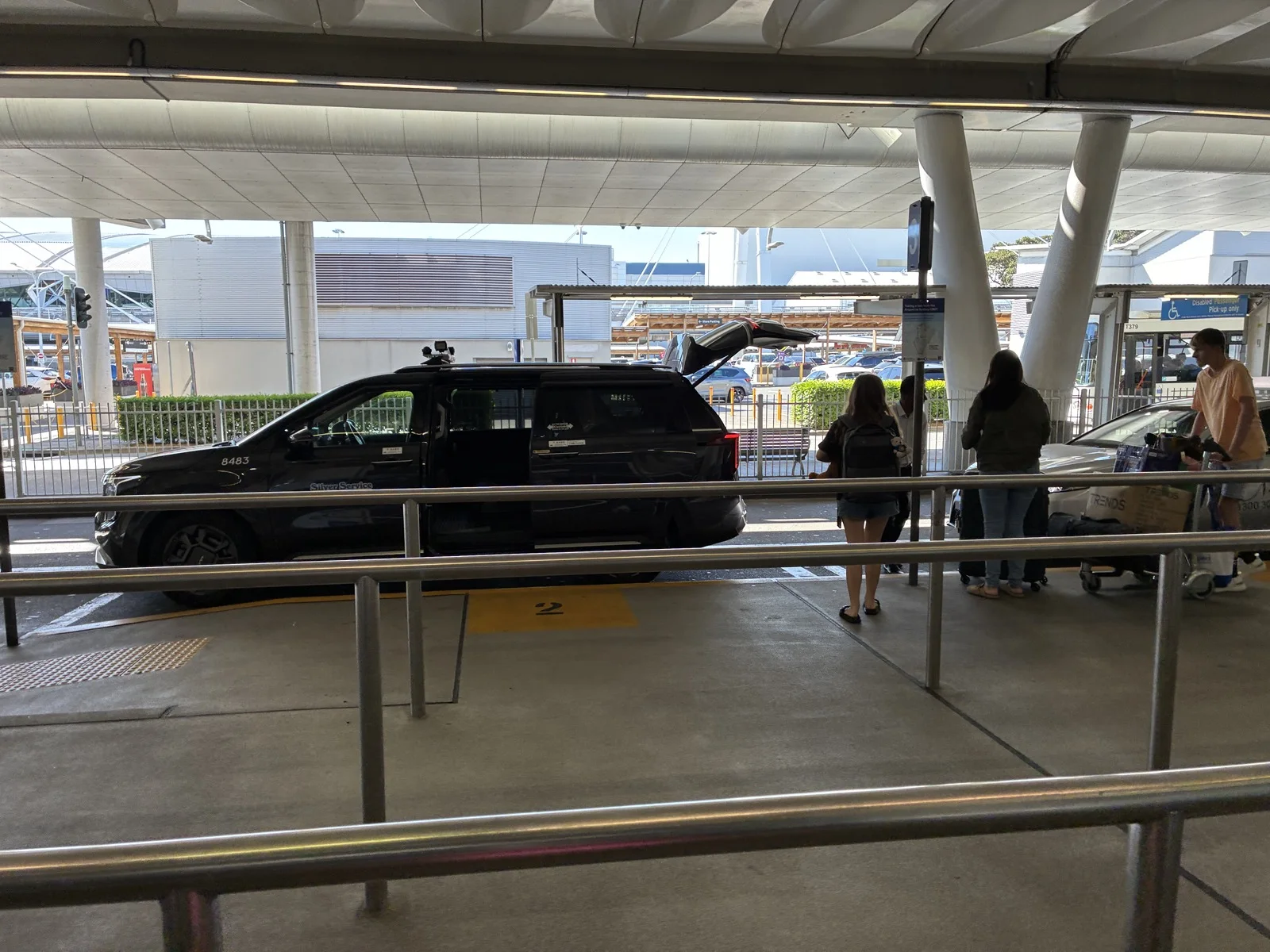
For a daytime arrival, our transport guide compares the train, taxi rank, rideshare pickup and pre-booked hotel transfer from the same airport.
Cairns safety and evening walks
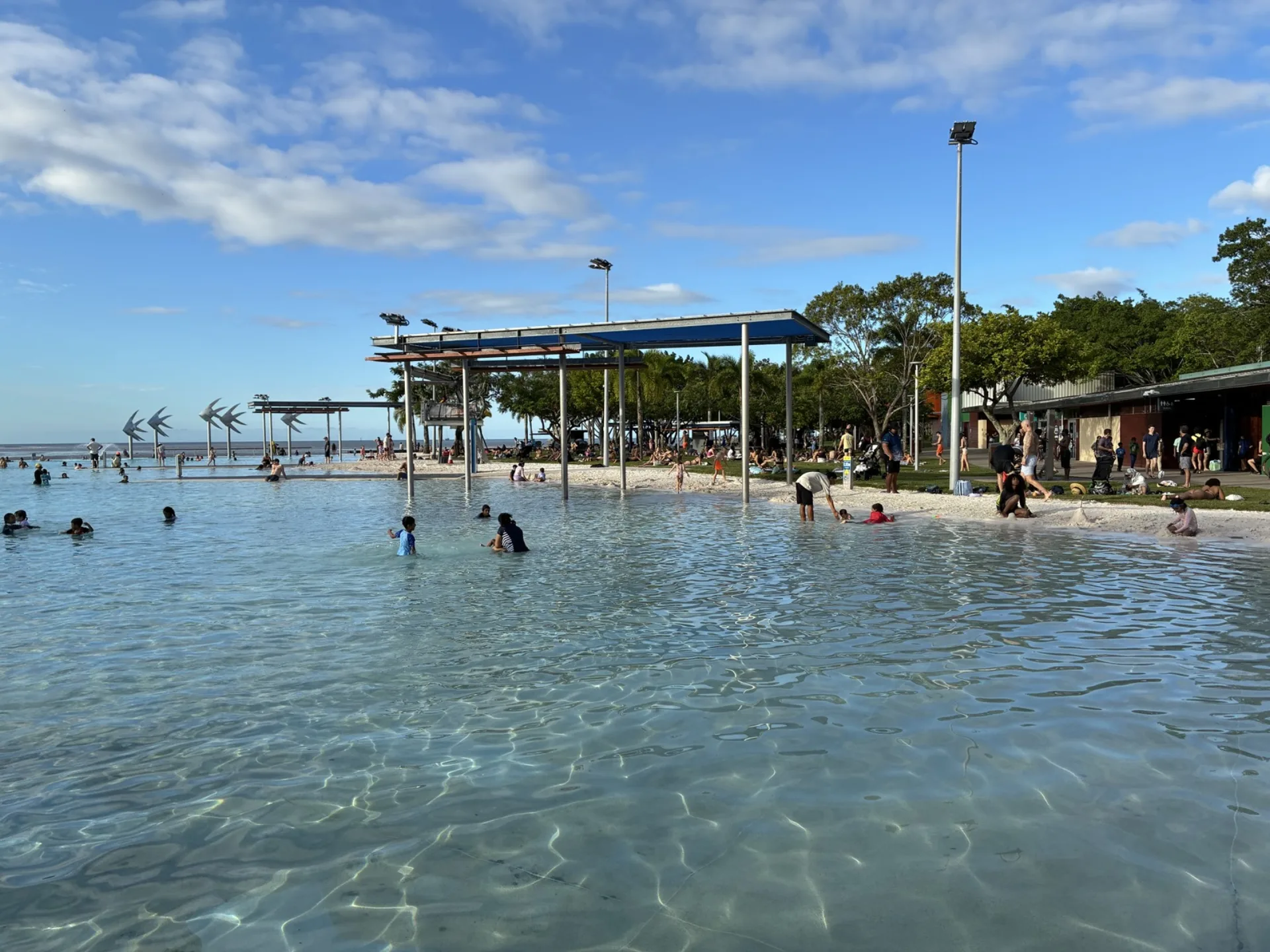
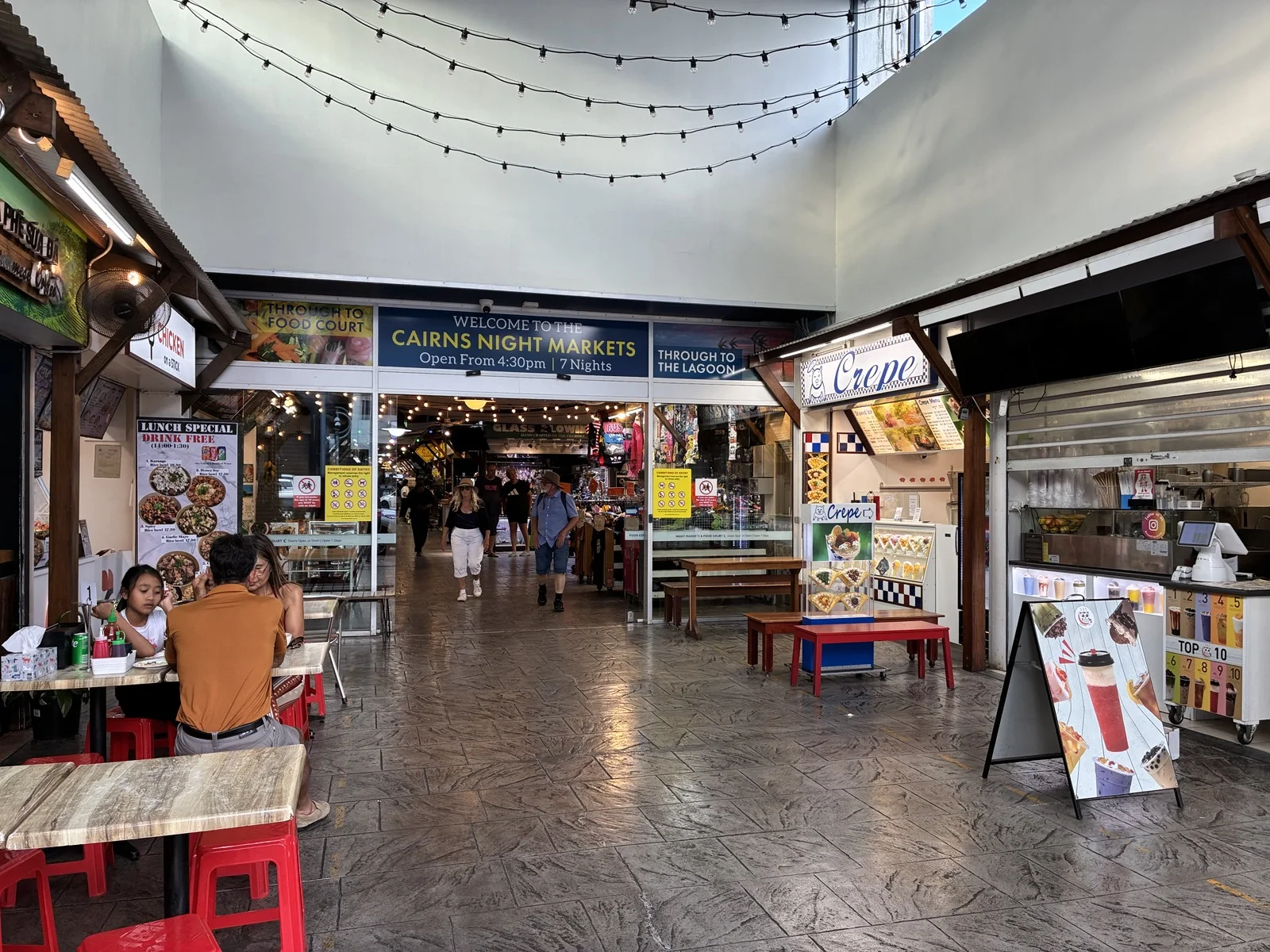
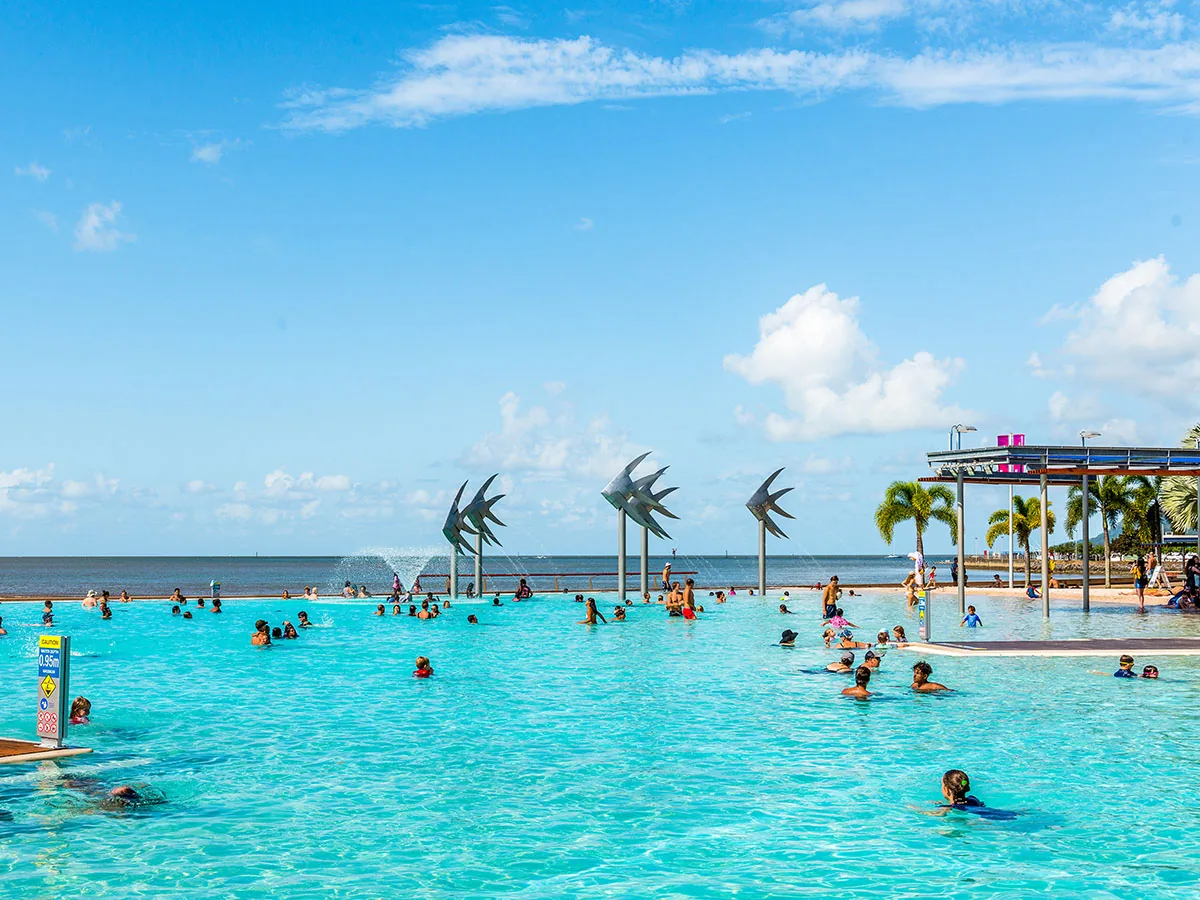
Central Cairns is compact, and the Esplanade, Night Markets and nearby hotels can be combined on foot. Around the lagoon and market, families and visitors were still present after sunset.
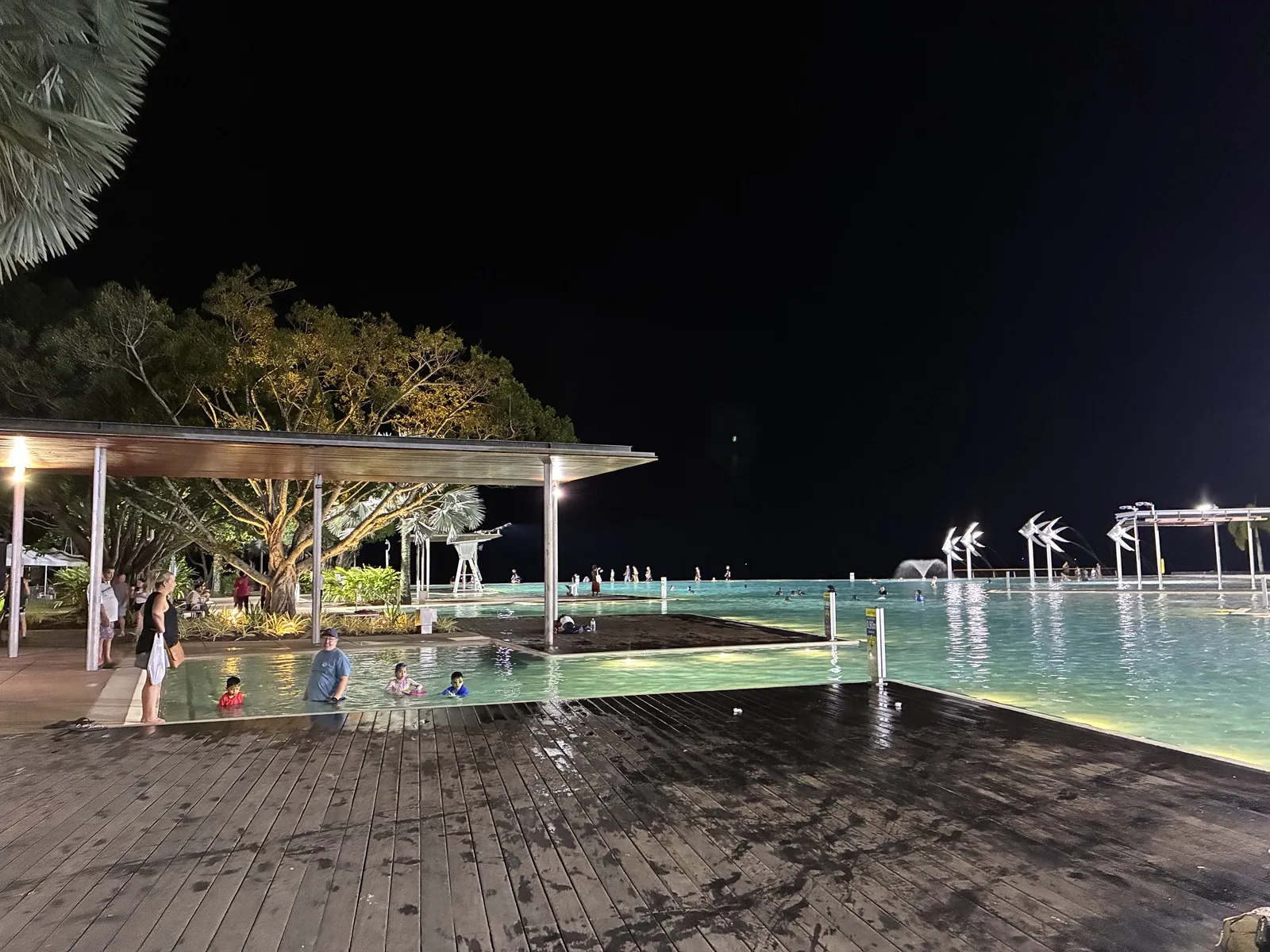
Foot traffic thinned quickly beyond the central waterfront. We checked the return route in daylight, stayed on lit streets and did not leave a phone or wallet beside the lagoon while swimming.
Our Cairns Night Markets guide shows the central evening area we walked through. For very early or late airport journeys, a taxi or pre-booked transfer removes an unfamiliar walk with luggage.
Solo travellers, families and children
Safety depended more on the route and time than on a single type of traveller. Save the accommodation address and entrance photograph offline, share the expected return time, and agree on one meeting point if a family member becomes separated. Our Australia eSIM, SIM, roaming and portable WiFi guide explains how to keep maps and messages available after landing.
Before entering a rideshare, match the registration plate and driver in the app. Parents should also decide who carries passports and payment cards so that all important items are not in one bag.
Beach, heat and wildlife hazards
Australia's natural hazards deserve as much attention as crime prevention. At patrolled beaches, the red-and-yellow flags mark the supervised swimming area. If there are no flags or you are unsure about conditions, ask a lifeguard and stay out of the water.
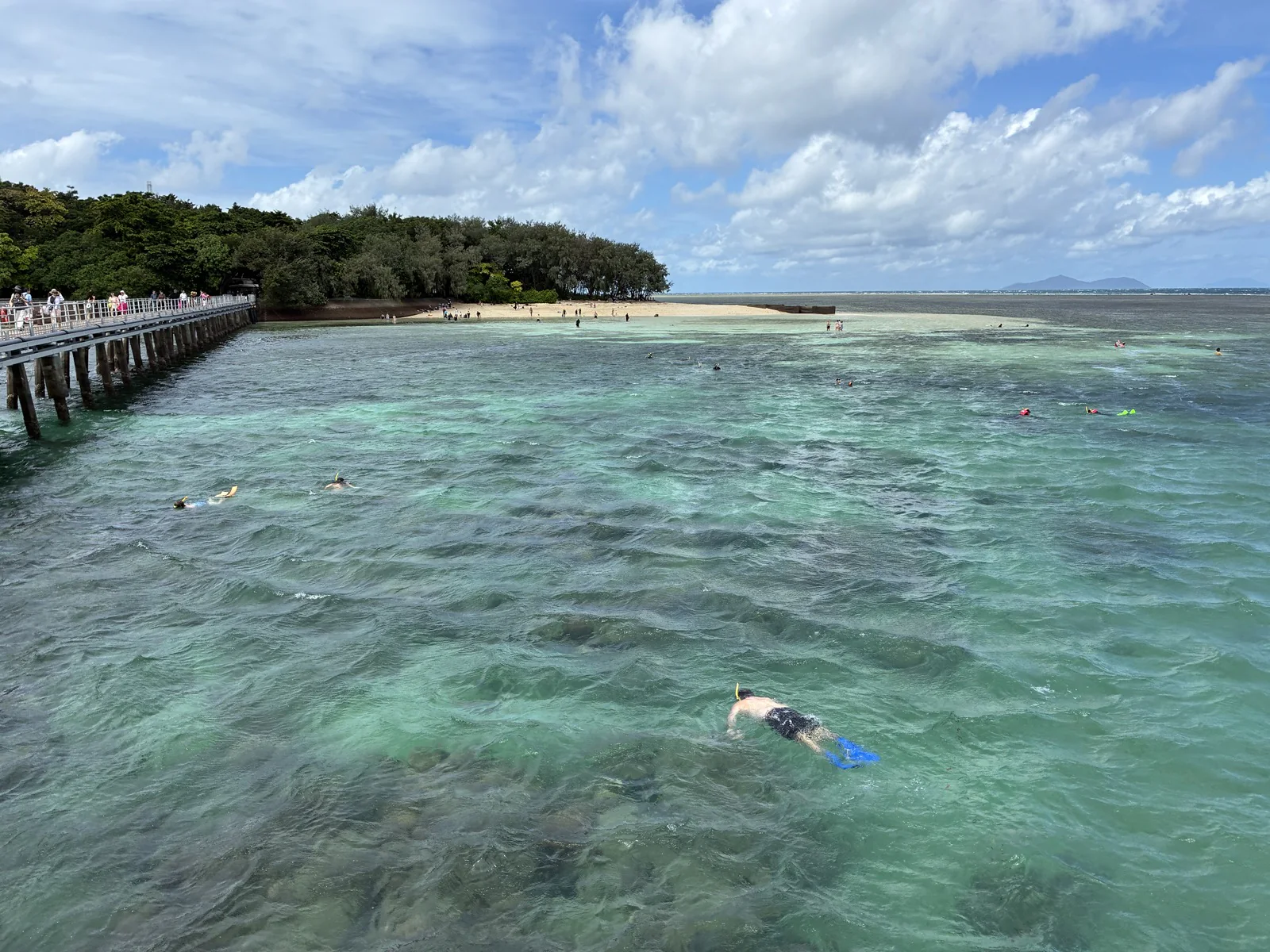
In tropical Queensland, follow signs about marine stingers and crocodiles, keep back from the water's edge in crocodile habitat and never feed or approach wildlife. Our Green Island day-trip report shows the supervised snorkelling area we used. Heat and UV exposure also build quickly, so carry water, sunscreen and a hat even for a short city walk.
Seasonal heat and rainfall differ sharply between Sydney and Cairns. Use our Sydney and Cairns weather guide when choosing clothing and outdoor plans.
Public toilets in Australia
The airport, station, shopping-centre, park and attraction toilets we used were free. Toilets in parks may close in the evening, so we used a shopping centre, attraction or hotel before starting a longer walk.
Facilities can look different from those at home. In one Cairns men's toilet, the urinal was a shared stainless-steel trough rather than separate fixtures.
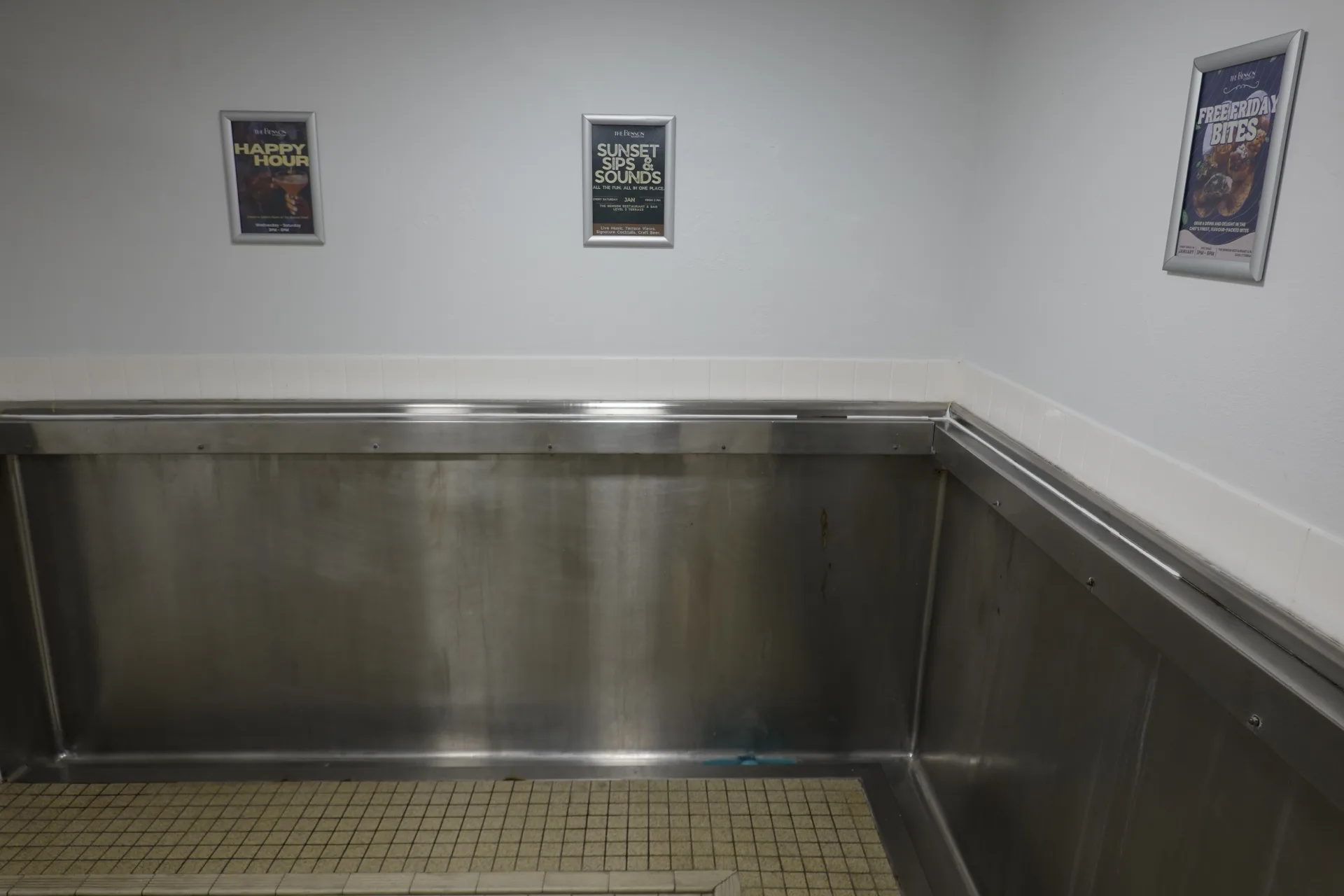
Do not assume a bidet will be available. Carry tissues and hand sanitiser, and never flush wipes that are not marked as flushable. The Australian Government's National Public Toilet Map can filter facilities by location, access and opening information.
Emergency contacts to save
Call Triple Zero (000) when a police, fire or ambulance response is needed for a life-threatening or time-critical emergency. Triple Zero is free. The Australian Government also lists 112 as a secondary mobile emergency number and 106 for text-based emergency access through a TTY.
| Emergency | 000 — police, fire or ambulance |
|---|---|
| Mobile alternative | 112 — secondary emergency number |
| TTY emergency access | 106 |
| Non-urgent police | 131 444 — Police Assistance Line |
| NSW storms and floods | 132 500 — NSW State Emergency Service |
Australia's Triple Zero service explains when to call 000. For non-urgent police help in New South Wales, use the NSW Police contact guidance.
If a passport is lost or stolen, report it to local police and contact the embassy or consulate of the country that issued it. Keep a separate copy of the identification page and your travel-insurance contact details.
Prepare the practical safeguards before departure
Save emergency contacts alongside the Australia travel checklist, carry two payment methods using the money and card guide, and check medical and activity limits in the travel insurance guide. Choosing accommodation with a straightforward late-night route is also part of safety planning.
Frequently asked questions
Is Australia safe for tourists?
Sydney and Cairns felt manageable during our April 2026 family trip. Guard against opportunistic theft, avoid isolated streets late at night and follow local beach and wildlife warnings.
Can tourists walk around Sydney and Cairns at night?
Busy, well-lit central areas can remain active after dark. Use main streets and take a taxi or rideshare when the route becomes quiet or unfamiliar.
What is Australia's emergency phone number?
Call Triple Zero, 000, for a life-threatening or time-critical police, fire or ambulance emergency. The Police Assistance Line is 131 444 for non-urgent police matters.
Are public toilets free in Australia?
The public facilities we used in Sydney and Cairns were free. Opening hours and accessibility differ, so check local signs or the National Public Toilet Map.
Summary
We enjoyed Sydney and Cairns without a safety incident, but we did not treat that as a reason to relax every precaution. Keeping valuables attached to us, choosing lit routes and changing plans when a place felt quiet were simple habits that worked.
Save emergency contacts, check weather and water warnings, and identify a few toilets before a long day out. Those small preparations leave more attention for the trip itself.