Australia Incoming Passenger Card: How to Fill It In and What to Declare
Australia’s arrival card is short, but finding an address or deciding what to declare can be awkward in the air. Here is what goes on both sides and how we prepared medicines before arriving in Cairns.
This article contains affiliate links. If you book through them, we may earn a commission at no extra cost to you. Our first-hand views are our own.
Paper card or digital declaration?
Most passengers entering Australia still complete an Incoming Passenger Card. Australian Border Force says it is supplied on the flight or ship before arrival, or in the arrival terminal, and it must be completed in English.
The official Incoming Passenger Card guidance also describes an Australia Travel Declaration pilot. Invited passengers on Qantas flights into Brisbane and selected flights into Sydney and Melbourne may be able to submit digitally through the Qantas app. If you are not invited, continue with the paper card.
The arrival declaration does not replace a visa. Visa or ETA requirements depend on your passport, so use our Australia ETA and visitor visa guide to begin with the Home Affairs visa finder before applying.
What to have ready before the card arrives
On our April 2026 flight to Cairns, keeping the practical details offline saved us from searching through emails in the cabin. Have these ready:
- Passport details and international flight number
- The address of your first accommodation in Australia
- Your intended length of stay and country of residence
- An Australian phone number or email address, if available
- An emergency contact outside Australia
- A list of food, medicines and other items you may need to declare
- A blue or black pen
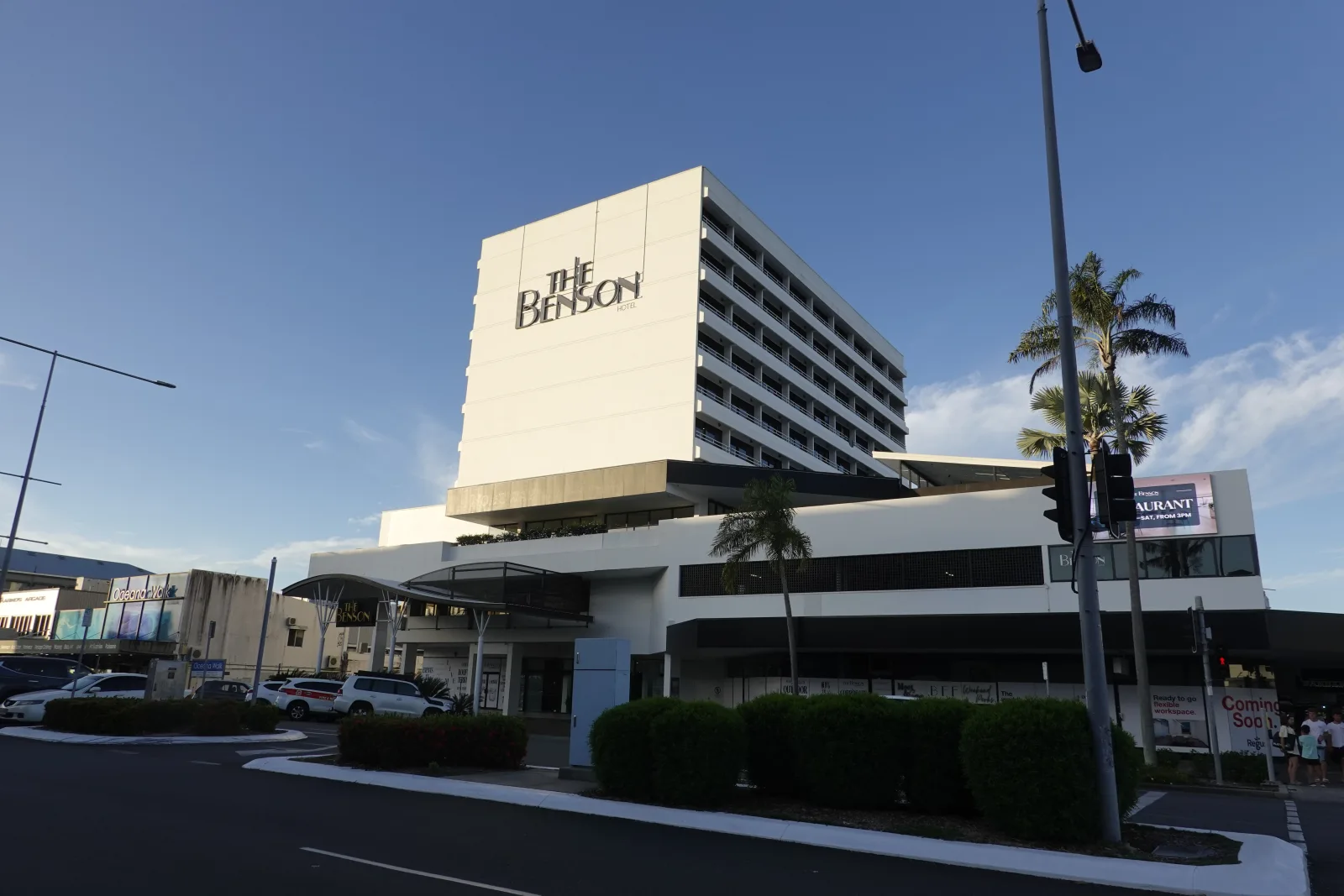
We used the address of The Benson Hotel, our first stay in central Cairns. Saving the booking confirmation or address as a screenshot is useful when inflight internet is unavailable.
How to complete the front of the card
The front combines identity and arrival details with 11 customs and biosecurity questions. Write in English with a blue or black pen, mark every Yes or No box and sign and date the declaration.
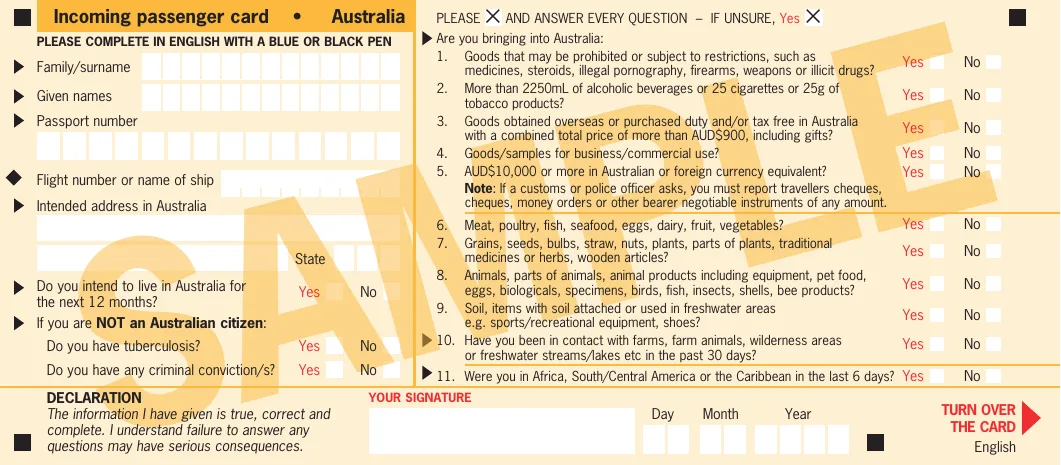
This is the English sample card published by Australian Border Force. Use it to prepare, then answer the physical or digital declaration you receive for your actual arrival.
| Name | Family name and given names as shown in your passport |
|---|---|
| Passport | Passport number |
| Flight or ship | The international service on which you entered Australia |
| Address | Your intended address in Australia, such as your first hotel |
| Declarations | Answer all 11 customs, currency and biosecurity questions |
| Signature and date | Sign and enter the day, month and year |
The card itself says to answer Yes when unsure. Declaring an item does not automatically mean it will be taken away; it allows an officer to assess it.
How to complete the back of the card
The reverse asks for contact details, where you boarded, occupation, nationality, date of birth and emergency contact information. Visitors also enter their intended length of stay, country of residence and one main reason for travel.
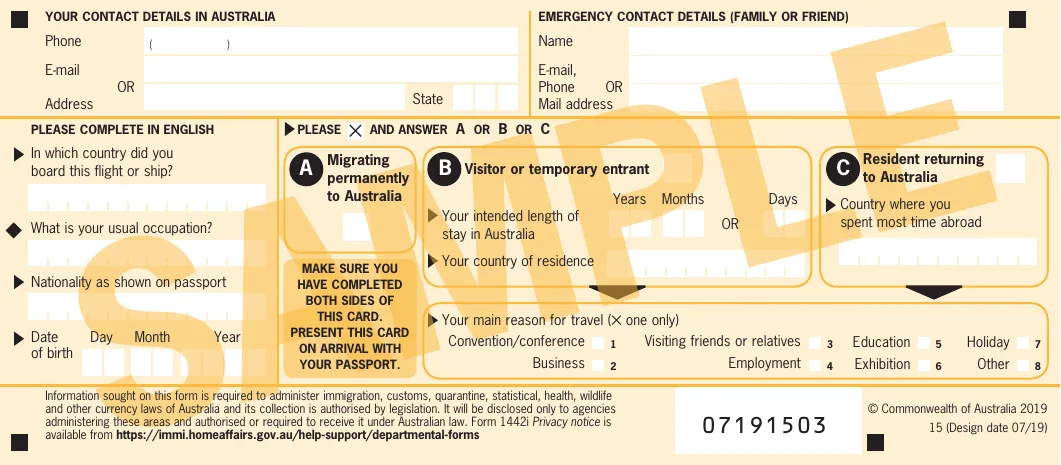
Complete both sides before presenting the card with your passport. A parent, guardian or carer may complete it for a child or traveller who needs assistance, under the conditions explained by Australian Border Force.
Prefer a video walkthrough?
This English-language walkthrough shows the two-sided form on screen. Treat the current ABF sample above as the source of truth if a video or older card differs.
Medicines: what we carried and how we prepared
We travelled with older parents who take regular medicines. We kept the products identifiable, noted the names, purpose and dose, and answered Yes to the card’s first declaration question rather than trying to decide at the carousel whether each product counted.
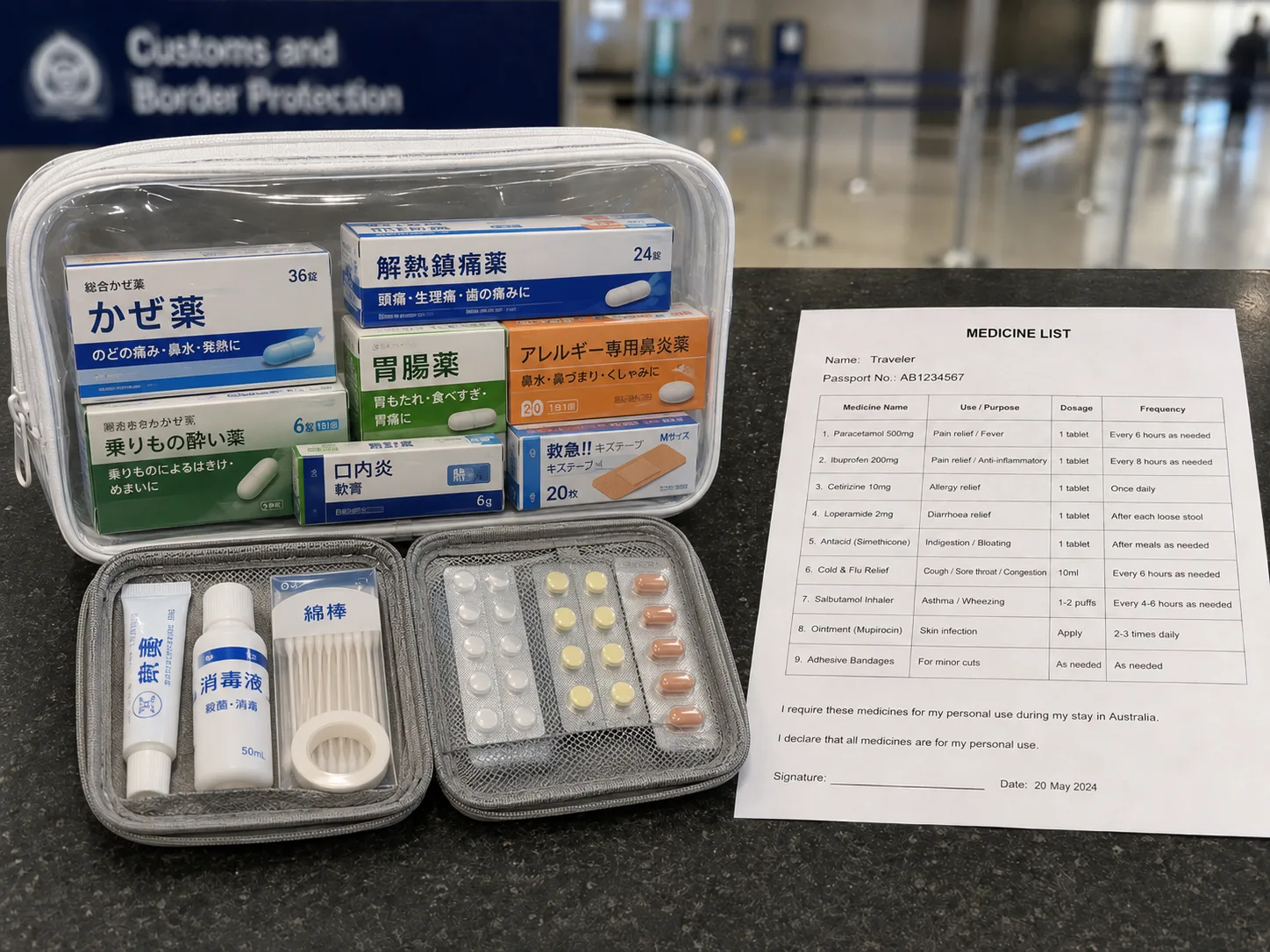
The TGA’s traveller’s exemption guidance says many medicines can be carried for personal use or for an immediate family member travelling with you. Its conditions include keeping original packaging where possible, carrying a prescription or doctor’s letter for prescription medicines and bringing no more than a three-month supply.
Some medicines require a permit or are prohibited, and herbal, biological, controlled or cannabis products can have additional rules. Check the specific medicine before travel and ask the prescribing clinician or pharmacist for supporting information when needed.
What happened after we declared medicines in Cairns
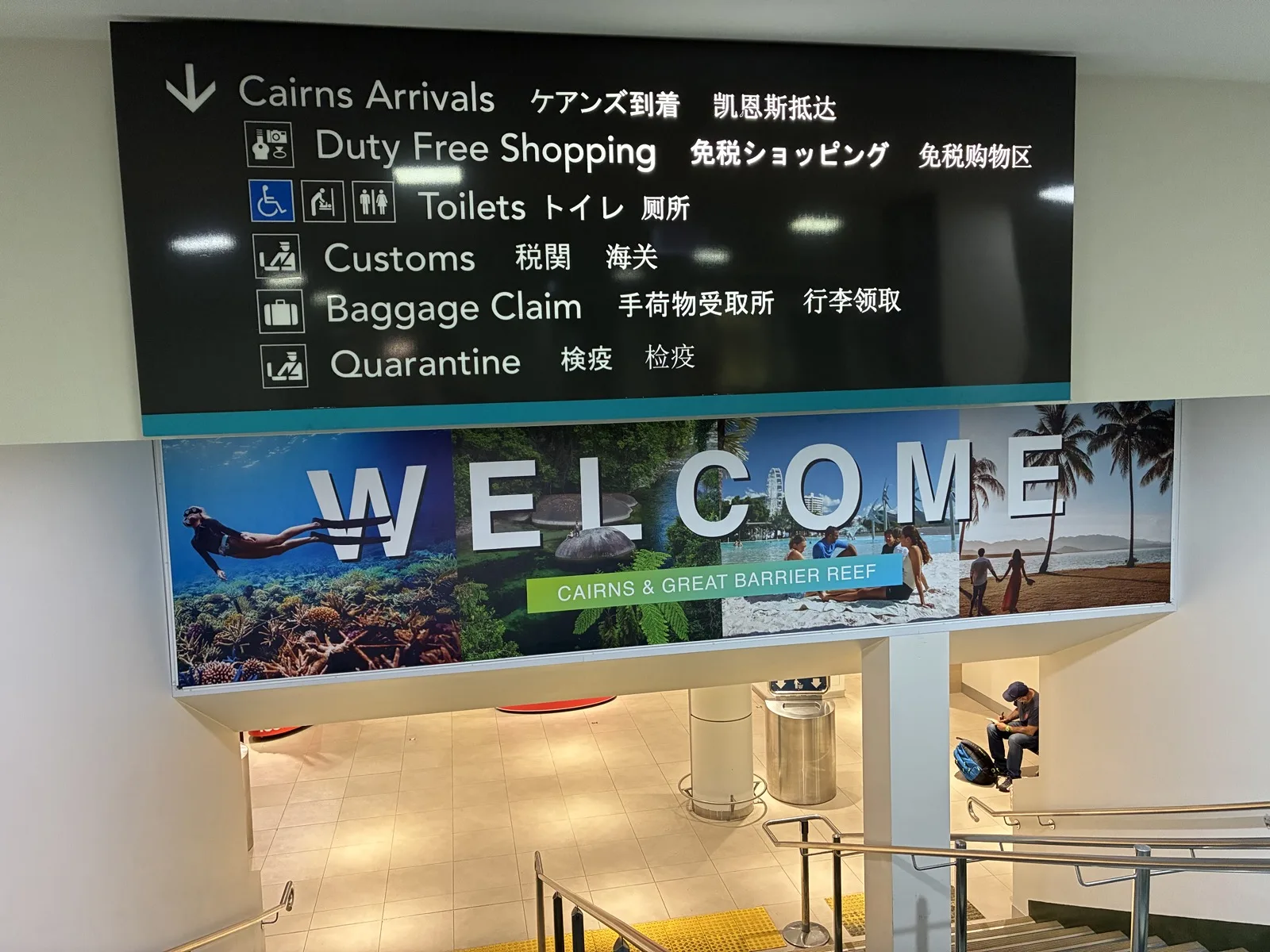
After landing at Cairns Airport, we submitted our cards and told the officer about the medicines. Our bags and belongings were checked, but the products were organised and we could explain who used them, so we cleared the inspection without a problem.
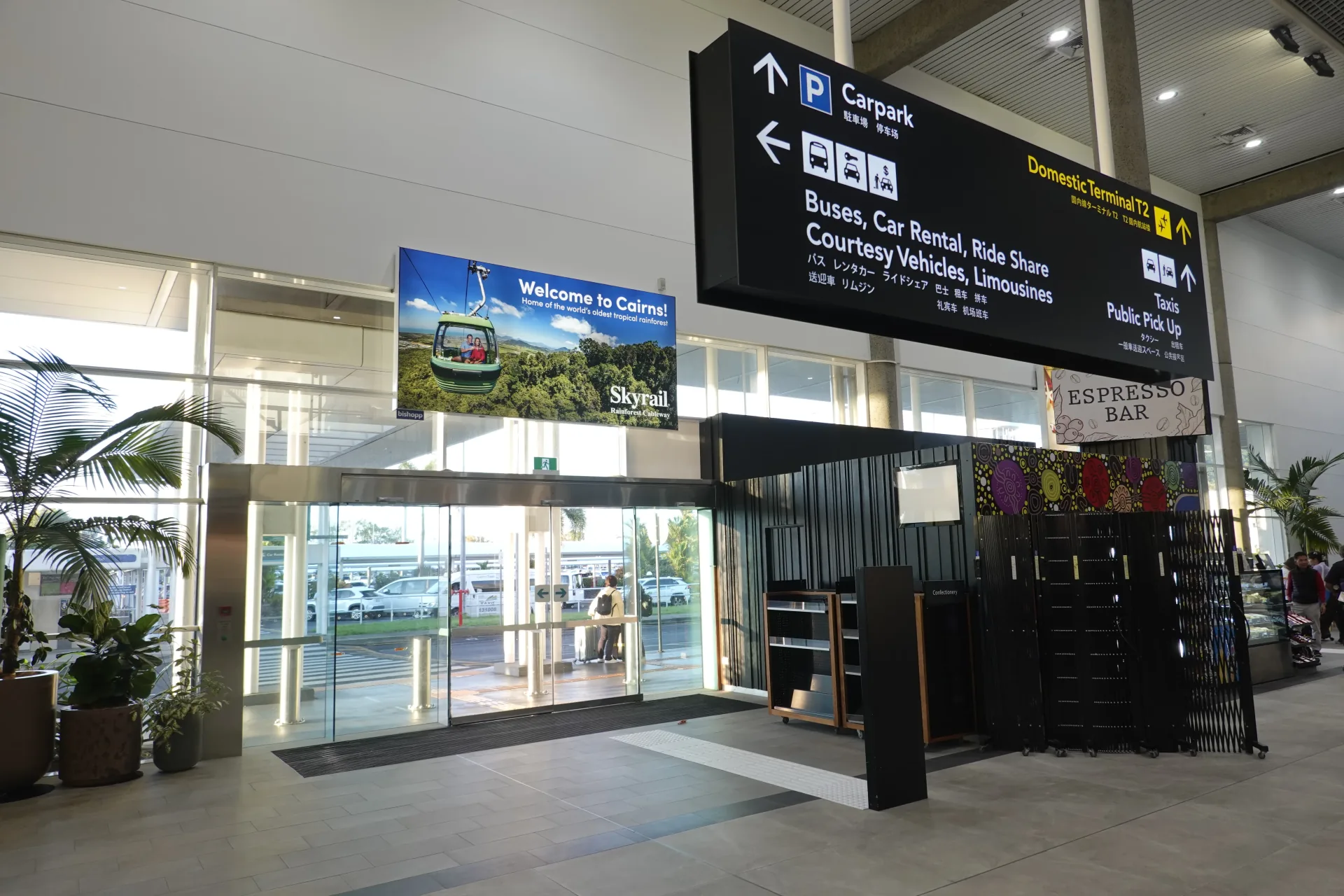
That was our experience, not a promise of identical treatment. The questions, inspection and time required depend on what you carry and the officer’s assessment. Accurate declaration matters more than trying to predict whether a bag will be opened.
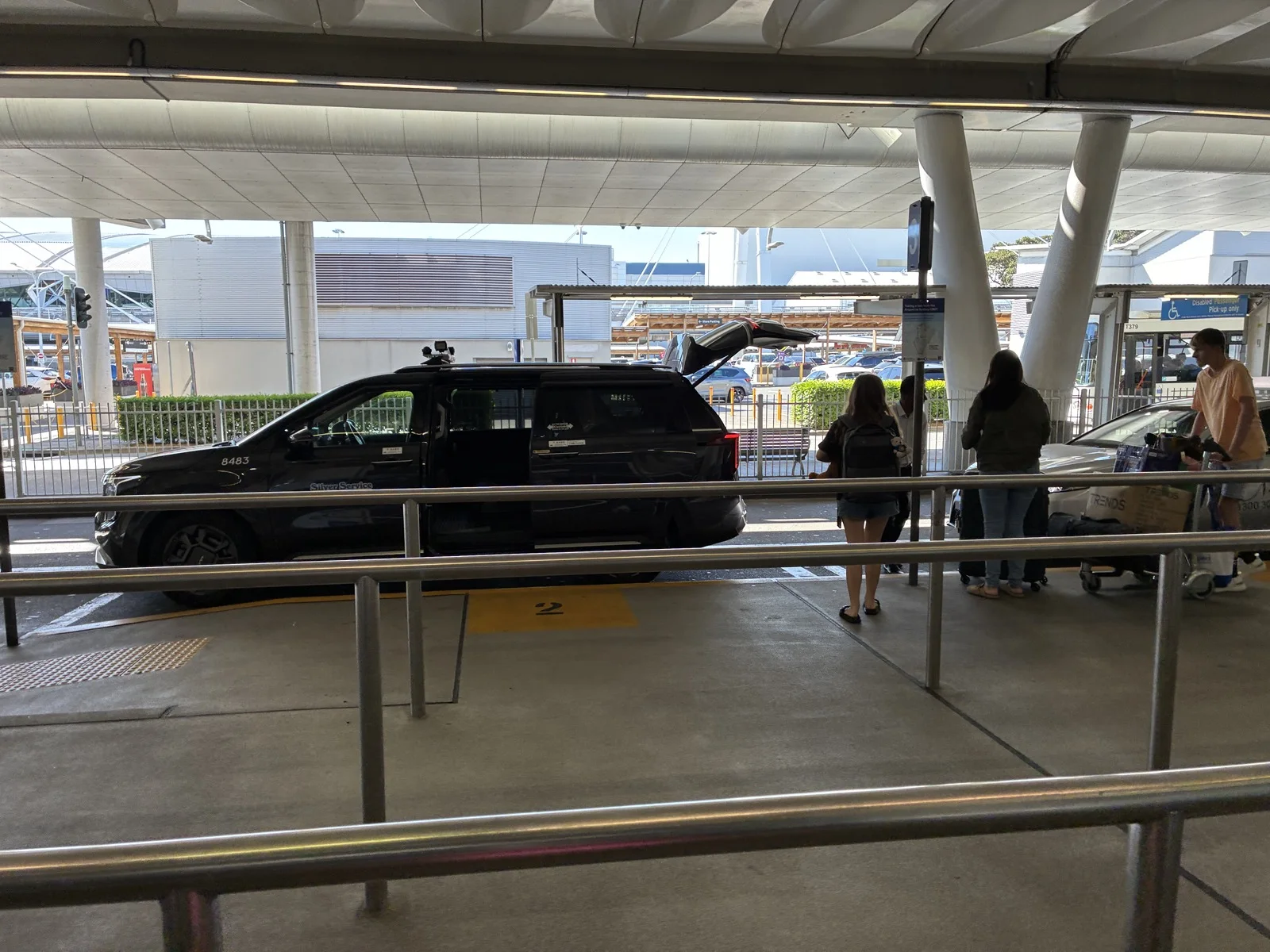
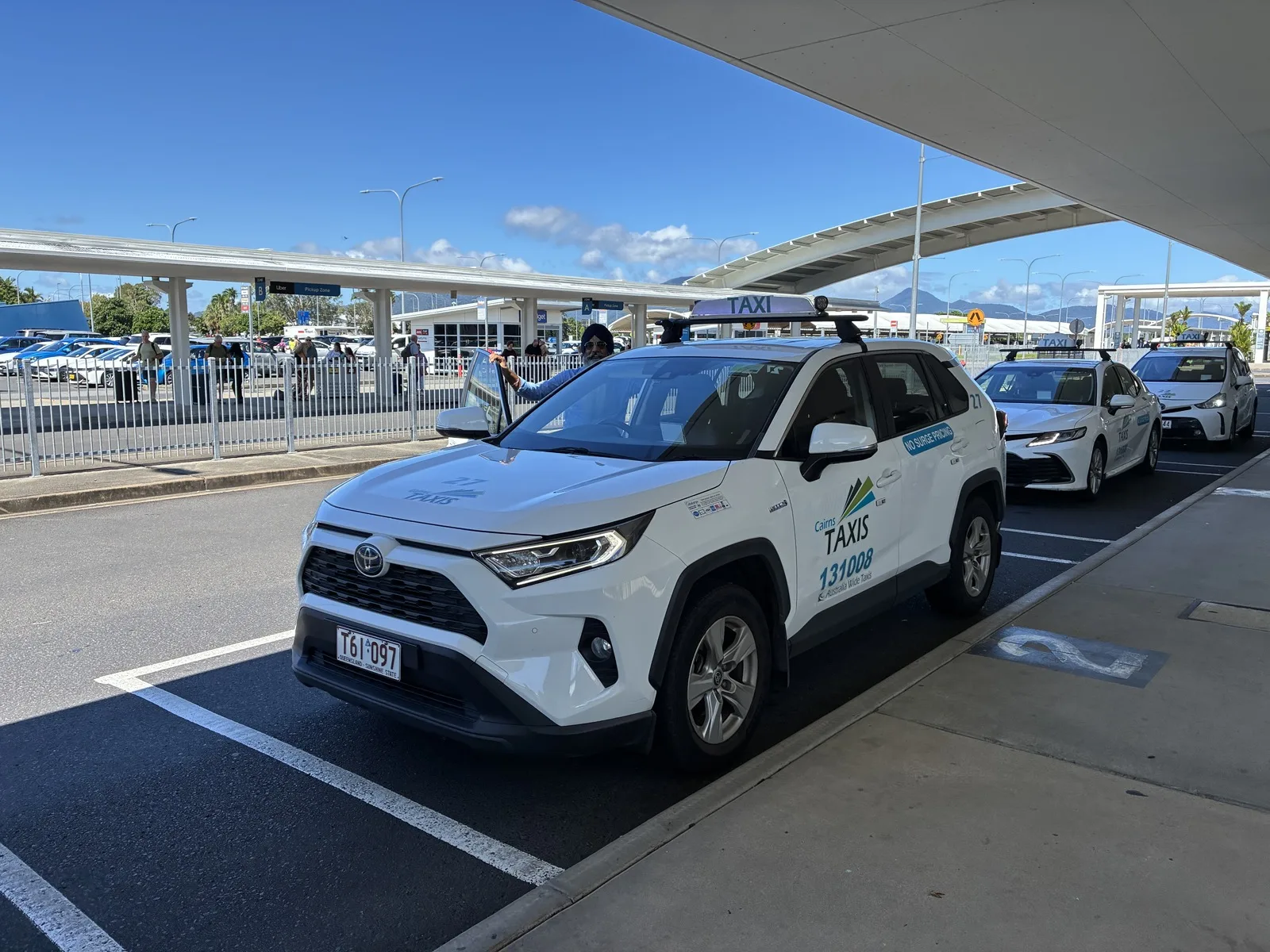
After clearing the border, we collected our cases and took a taxi to the city. The pickup point and our first ride are shown in the airport transfer guide below.
Food, outdoor gear, cash and other declaration questions
The front of the sample card asks about alcohol and tobacco allowances, overseas goods above the stated value threshold, commercial samples, currency of A$10,000 or more, food, plant material, animal products, soil and recent contact with farms or wilderness areas.
Shoes and equipment used in freshwater or carrying soil can be relevant even when you have no food. Clean outdoor gear before flying and answer the question based on where it was used.
Australian Border Force advises travellers to declare food, plant and animal items or dispose of them in terminal bins before screening. Its declaration guidance says travellers who declare all goods are not penalised under the Biosecurity Act simply because an item is later found not to be allowed.
Before-flight checklist
- Confirm the visa or ETA that applies to your passport
- Save your first Australian address offline
- Review the current ABF card and pilot guidance
- Keep medicines identifiable and bring supporting documents where required
- Check food, plant, animal, outdoor and currency declarations
- Put a blue or black pen in your cabin bag
Do this before boarding rather than relying on inflight internet. It leaves the flight for resting and makes the arrival questions much easier to answer accurately.
Connect the arrival form to the rest of your preparation
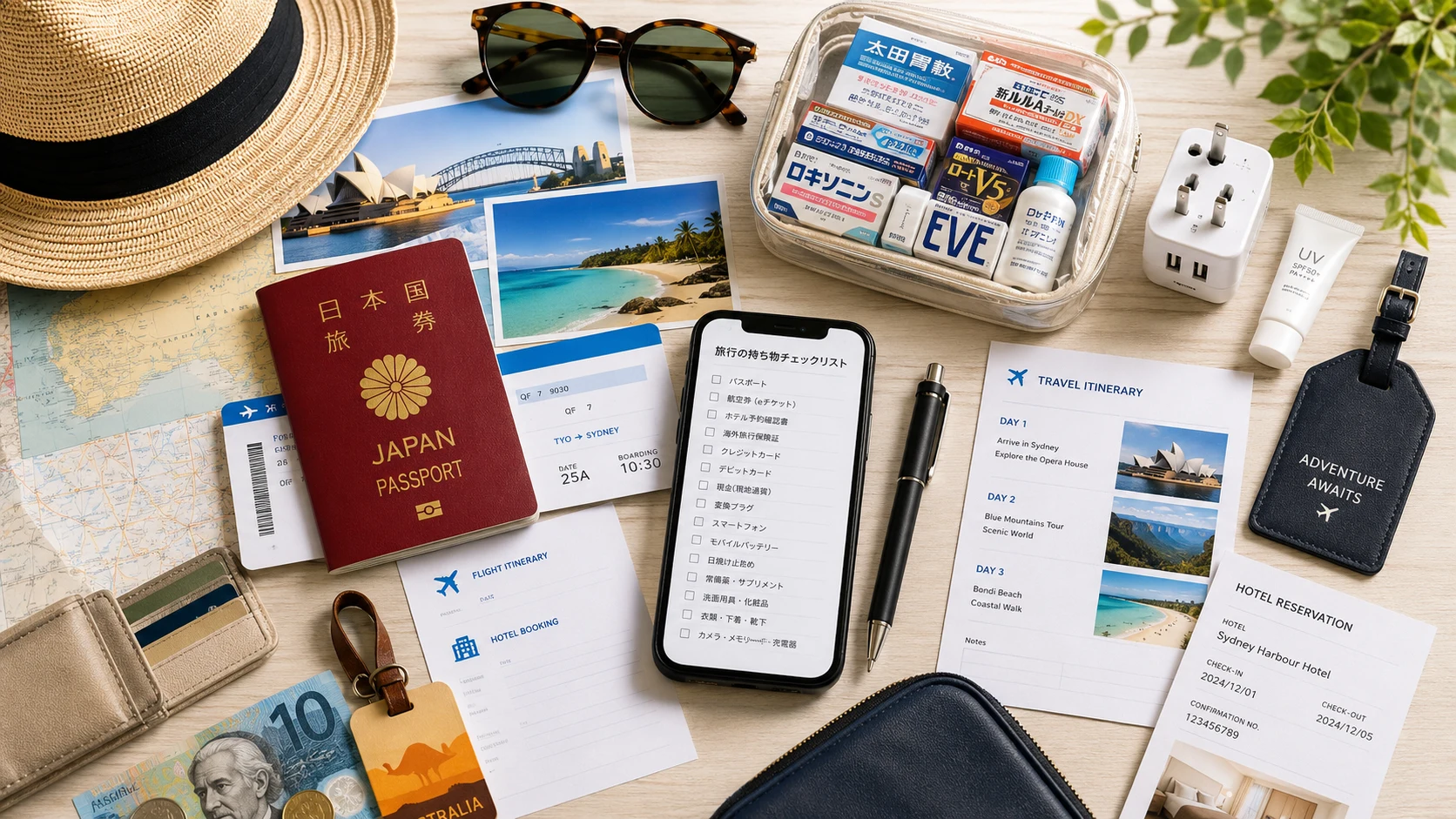
The first-night address and declaration notes belong in the same offline folder as your entry approval, insurance contacts and payment backup. The complete Australia travel checklist puts those tasks into one timeline.
Frequently asked questions
Does everyone entering Australia complete an Incoming Passenger Card?
Most arriving passengers do. ABF lists limited exemptions, while invited passengers on selected Qantas flights may use the Australia Travel Declaration pilot instead.
Must the card be completed in English?
Yes. ABF requires English, but it publishes translated sample cards that can help you understand each question.
Should I declare medicines?
The card asks about goods that may be restricted, including medicines. We answered Yes for ours. Check the current rules for your specific medicine and carry supporting documents when required.
Where do I get the card?
It is normally distributed on your international flight or ship before arrival, or supplied in the arrival terminal.
Summary
Preparing the hotel address and possible declarations before our flight made the paper card straightforward. The important part was not memorising every question; it was keeping the information and medicines ready to explain.
Use the current ABF card as your reference, check specialist medicine rules before departure and mark Yes when the card tells you to declare or you are unsure.